


Recommended products


getting rid of mould is better for your health?
How to get rid of mould. 3 tips for mould treatment
To effectively remove mould from your home, utilize HG products like HG mould spray or HG mould remover foam spray, known for their quick and effective results in eliminating mould without producing strong odors. Apply the spray on affected surfaces, let it work for 30 minutes, then clean with water and a sponge to achieve a mould-free environment. Mould commonly forms in damp areas such as bathrooms, bedrooms, and cellars due to issues like penetrating damp, condensation, and rising damp.
While alternatives like vinegar, baking soda, and bleach are often recommended, they do not guarantee success and may pose additional risks. Exploring different types of mould and understanding their causes can further aid in prevention and treatment—there's much more to uncover about handling mould effectively.
Treat mould with HG products
You can have mould removed with one of the HG products. We say ‘have removed’, because the products are self-acting. You can see the results in just 30 minutes and removing mould produces a less penetrating odour than when you use vinegar or soda. The HG products that treat mould act easily and fast. Go for HG mould spray or HG mould remover foam spray. The foam spray can be trained even better on the mould patches.
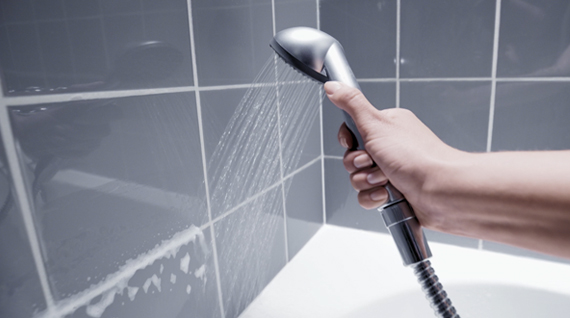 This is how you use HG mould spray or HG mould remover foam spray:
Spray the surface with HG mould remover foam spray from a distance of 3 to 5cm.
Leave the mould cleaning product to work for approximately 30 minutes.
Clean the surface with water and a sponge.
The result is a mould-free room.
Which types of mould in the house?

3 most common problems with mould in a home
Mould in the home can be formed in various rooms or surfaces. The 3 most common problems with mould in a home:
1. Mould in the bathroom
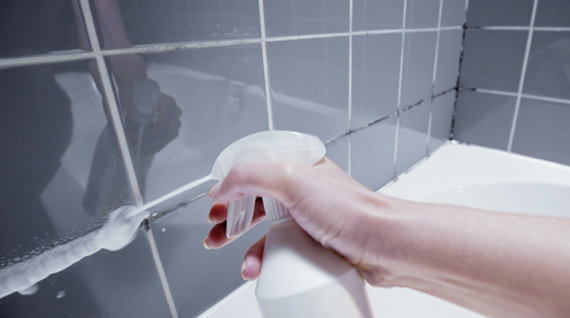
Mould in the bathroom is a common occurrence. Warm water vapour produced by showering or a bath produces condensation. This happens at the time that water vapour cannot be discharged adequately. It condensates on walls, the ceiling or windows. The surface of walls or the ceiling is rough, and that means they absorb damp easily. A mouldy wall or ceiling is a common problem in the bathroom.
 2. Mould in the bedroom
Not just in the bathroom, but mould can also occur in the bedroom. Mould develops in damp and warm rooms. If a bedroom is not ventilated properly, mould quickly forms because the damp cannot leave the room easily. In the bedroom, mould can spread with spores that float in the air. These spores end up on walls and windows, which causes mould. If you have mould on the wall, it is important to strip the wallpaper first.
3. Mould in the cellar
A cellar is also an ideal room for mould. A cellar often does not have a window, which means there is insufficient ventilation. Cardboard boxes, wood and fabrics are ideal nutrients for mould in a cellar. Mould in a cellar is bad for your health and that makes the room unusable.
Mould in the house is bad for your health. It does not make a difference whether it concerns mould in the bathroom, bedroom, cellar or any other room. Removing mould is important, but dealing with the causes of mould is just as important.
3 causes of mould
3 products that you should not use to remove mould
Frequently Asked Questions about mould removal
It is best to remove mould with a product that has been tested for effectiveness against mould. These are products with official approval, such as HG mould cleaner or HG mould cleaner foam spray.
Find a store nearby
Enter a location
Enter your city, postcode or address, or click on the map to find a store near you.
Please note: Not all stores carry the full range.
HG is available at, among others, these stores and webshops:


Have a chance to win £70 worth of HG products
